Should I Sell My House Before Buying Another? Your Bridge Options
If you need the money from your sale for your next down payment, selling first is usually safer. You know your budget and never carry two mortgages. Buying first is easier on your family but harder on your wallet. Bridge options like a home sale contingency, a rent-back, a home equity line or a bridge loan can help you do both. Each one has a cost.
What happens if you sell first?
The upside:
- You know exactly how much cash you have for the next home.
- You never pay two housing payments at once.
- Your offer on the next home is stronger, because it doesn't depend on another sale.
The downside:
- You may need to move twice, with a short-term rental or storage in between.
- You may feel rushed to buy the next home.
Selling first fits best when you need the sale money, when homes in your area sell slowly, or when you would lose sleep over two payments.
What happens if you buy first?
The upside:
- One move, straight into the new home.
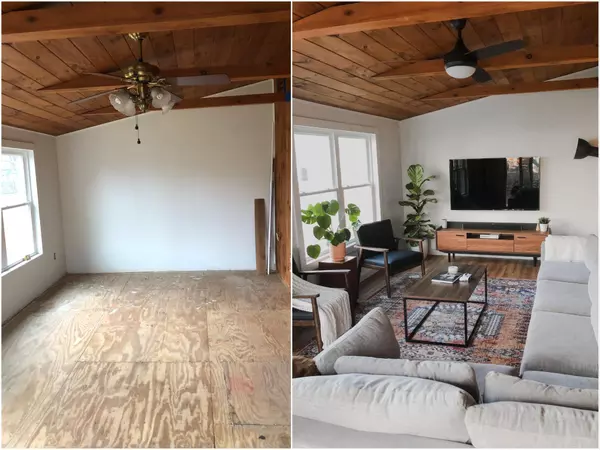
- Time to fix up and stage the old home with nobody living in it.
The downside:
- You may carry two mortgages, two tax bills and two insurance bills until the old home sells.
- Your lender may count both payments when it decides how much you can borrow.
- If the old home sells slowly, you may cut its price to get out.
Buying first fits best when you can qualify for both payments, have savings to cover several months of overlap, or don't need the sale money for the next down payment.
What bridge options let you do both?
1. A home sale contingency
You make your offer on the new home depend on selling your current one by a set date. If it doesn't sell, you can usually cancel. The catch: sellers often see these offers as weaker, especially in a busy market. Some will accept one, with a clause that lets them keep showing the home and ask you to remove the contingency if another offer comes in.
2. A rent-back
You sell your home and stay in it for a set time after closing, paying the buyer rent or a set fee. This lets you close your sale first and then buy. Put every detail in writing: the move-out date, the daily cost, a deposit, who insures what, and what happens if you stay late. Your agent can write this into the contract.
3. A home equity line of credit (HELOC)
You borrow against the equity in your current home to fund the next down payment, then pay the line off when your home sells. Set it up before you list, and ask your lender whether it will open one on a home that is for sale. The CFPB says a HELOC uses your home as collateral, and if you fall behind or can't repay on schedule, you could lose your home. Consider one only if you are sure you can keep up with the payments.
4. A bridge loan
A short-term loan secured by your current home, meant to be paid off when it sells. It can cover your next down payment. Bridge loans often cost more than a regular mortgage, and not every lender offers them. Ask a licensed loan officer for the total cost in dollars and what happens if your home doesn't sell in time.
5. Closing both on the same day
With careful timing, you can close your sale in the morning and your purchase in the afternoon. It takes two cooperative buyers and sellers, two closers and a backup plan if one deal slips. Ask your agent if it is realistic in your market.
How do you decide?
Answer these four questions:
- Do I need the sale money for my next down payment? If yes, lean toward selling first or a bridge option.
- Can I qualify for both payments at once? Ask a licensed loan officer to check.
- How fast do homes like mine sell right now? Ask your agent for recent days on market nearby.
- How many months of two payments could I carry? Be honest. Then add a cushion.
Then price your sale. See how much it costs to sell a house, how to price your home right and the home selling guide.
What about taxes on the sale?
Most people who sell their main home owe no federal tax on the profit, up to a limit, if they meet the IRS rules. See capital gains tax when you sell a home, and ask your CPA about your own case.
What should you do first?
- Talk to a local agent about what your home would sell for and how fast. Sell with AXEN or find an agent.
- Talk to a licensed loan officer about what you can buy, with and without the sale. Get pre-approved.
- Run your budget in the affordability calculator.
Quick answers
Is it better to sell first or buy first?
Selling first is usually safer if you need the sale money for your next down payment. Buying first is easier if you can afford two payments for a while.
What is a home sale contingency?
A clause that makes your offer depend on selling your current home by a set date. If it doesn't sell, you can usually cancel.
What is a rent-back?
An agreement to stay in your home for a set time after you sell it, paying the buyer. It lets you sell first and move once.
Can I use my home equity to buy my next house?
Yes, with a home equity line of credit or a bridge loan, if you qualify. Both use your home as collateral, so ask a licensed loan officer about the full cost.
Can I close on my sale and purchase on the same day?
Often, yes, with careful timing. It needs both deals ready, two closers working together and a backup plan if one deal is delayed.
Sell with AXEN · Get pre-approved · Home selling guide
Sources and further reading
Updated November 14, 2026. We check these sources each time we update this guide. See our editorial policy.
Categories
Recent Posts